Computer models can also usefully find history. We’re not kidding! Here’s the the scoop.
In late May, Archeology students from Utrecht University in the Netherlands used a computer model to discover a roman camp outside what we previously thought to be the Northern limit of the Roman empire.
The camp was found 25 kilometers north of the Rhine, which is where we previously thought most northern border was.
How was tech involved in this discovery?
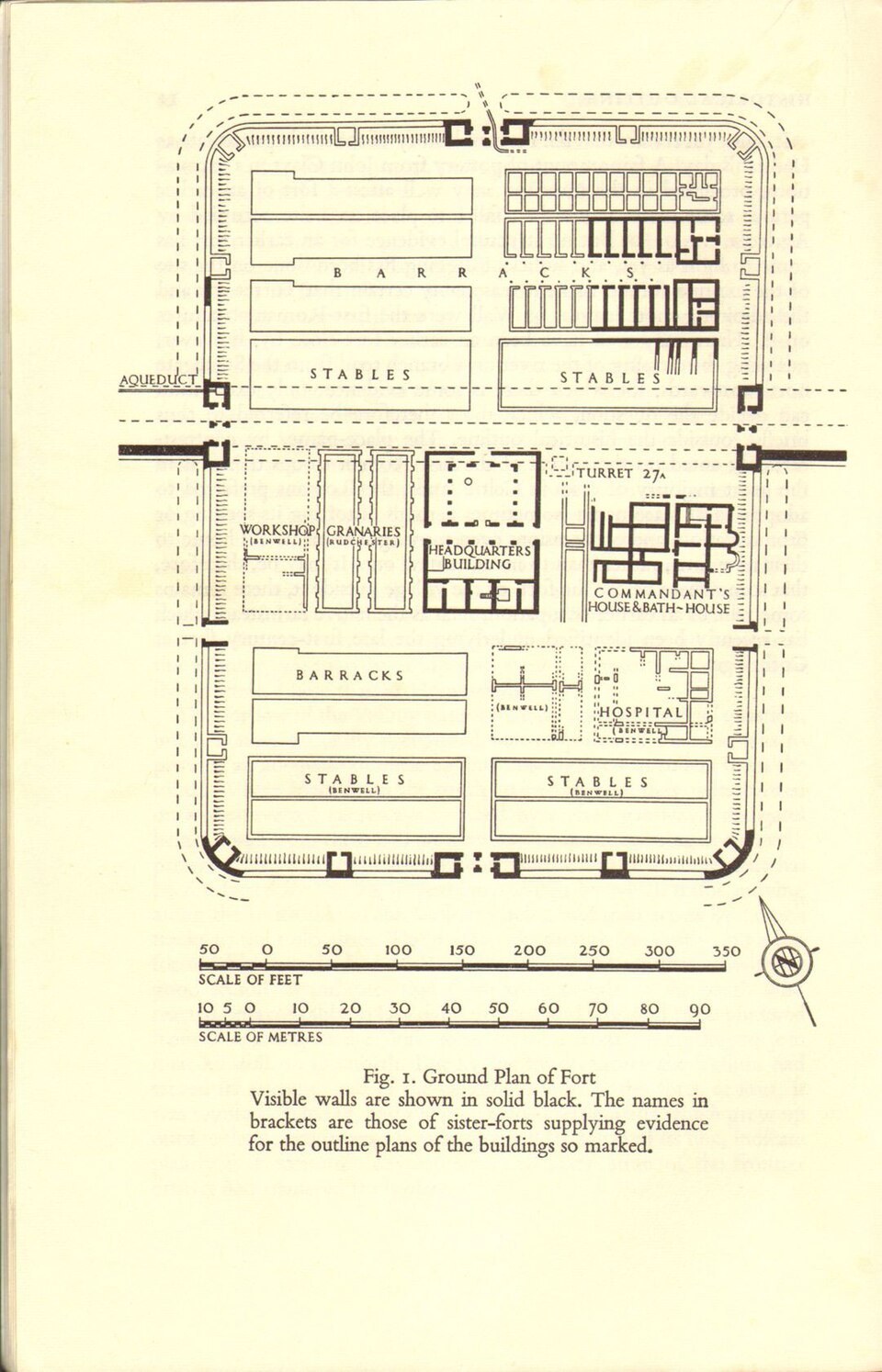
Archeology students used a computer model which combined data from elevation maps with LIDAR, a remote sensing tech that emits laser pulses & measures how long it takes to come back. This formed a 3D map of the surface below, which they then combined with data on the typical shape of roman camps (rectangular like a card), and distances for how far an army could march in a day.
What did they find!
While very little visible on the surface, the model output showed traces of ancient Roman walls, a moat, and several entrances.
The site was investigated with a metal detector and excavated with trial trenches, unearthing a few artefacts including armor, which dated it to the 2nd century. This finding was only the 5th of such camps in the Netherlands. Way to go students!
As covered in a segment on the Daily Tech News Show on July 31st 2025. For a more detailed discussion of the topic, listen here:
Press release: https://www.uu.nl/en/news/roman-army-camp-found-beyond-roman-empires-northern-frontier
 Nicole Ackermans, CVN lab
Leave a comment